
The complete guide
Choosing a Mulberry Silk Hair Scarf, A Practical Buyer's Guide
The small problem that keeps turning into a big one
Most people do not go looking for a silk scarf because they love scarves. They go looking because something is not working. Hair that was fine at bedtime looks like it lost a fight by morning. A fringe that behaves indoors turns into a mess the moment the wind hits it on Lambton Quay. A cotton headband leaves a dent. Pillow friction means the first twenty minutes of every day are spent undoing damage that happened while you were unconscious.
A square of silk fixes a surprising number of those small irritations at once, and it does it without batteries, chemicals or a fifteen step routine. That is really the whole pitch.
What mulberry silk actually is
Silk is a protein fibre spun by silkworms. Mulberry silk is the grade that comes from worms fed exclusively on mulberry leaves, and the point of that diet is consistency. The worms produce long, even filaments, and long even filaments weave into a cloth with a very smooth, uniform surface. That is the physical property doing all the work here.
Smooth surface means low friction. Hair strands and skin move across silk rather than catching on it. Cotton, by comparison, has a shorter, fuzzier fibre and a more textured surface, and it is absorbent by design, which is exactly what you want in a towel and exactly what you do not want wrapped around your head for eight hours.
Nothing mystical is happening. It is just a slippery cloth, and slippery turns out to be useful.
Why 68 centimetres is the sweet spot
Square silk scarves come in a wide range of sizes and the number genuinely changes what you can do with the thing.
Small squares, somewhere around 50cm, are charming at the neck and almost useless on the head if you have anything more than a short crop. You fold them into a triangle, you gather your hair, and you run out of corner before you get to a knot.
Large squares, 90cm and up, are beautiful and dramatic and they drape over shoulders properly, but on the head they bunch. There is too much fabric, the folds stack up, and you end up with a turban when you wanted a headscarf.
Sixty-eight centimetres sits in between. Folded on the diagonal you get a long edge of nearly a metre, which wraps a full head of hair with enough left over to tie a knot that actually stays. It is also still small enough to fold into a tidy neckerchief or roll into a headband. If you are only ever going to own one silk square, this is the size that does the most jobs, and it is why so many people hunting for the best square silk scarf land here.
Who this suits
If you have long hair, thick hair, curly hair, coily hair, or hair that has been coloured or chemically treated, a smooth wrap at night is one of the easiest habits to pick up. Textured hair in particular benefits, because the fabric does not drag on the curl pattern the way a cotton pillowcase does. Anyone searching for the best silk scarf for curly hair is usually looking for precisely this.
If you have short hair, it still earns a place, just in a different way. It becomes a styling piece rather than a protective one. A bandana fold, a tied headscarf, a wide rolled headband.
If you travel a lot, the argument is the packed weight. Fifty grams, flat as a letter. It lives in the side pocket of a bag and covers you for wind on a ferry, aircon on a plane, a bad hair morning in a motel with no mirror worth using, or a church or temple visit where a head covering is expected. For a lot of people the best travel silk scarf is simply the one that is already in the bag.
If you are buying a gift and you do not know the person's size, colour preferences or skincare opinions, a silk square is one of the few accessories with no sizing risk attached.
How to choose between silk squares
A few things actually separate one from another.
Fibre content. One hundred percent silk behaves differently from a silk blend or a polyester satin. Satin is a weave, not a fibre, so "satin scarf" tells you nothing about what it is made of. This one is pure mulberry silk.
Size. Covered above. Match the square to the job.
Weight. Silk is often graded in momme, a weight measure. Heavier silk feels more substantial and drapes more; lighter silk is airier and packs smaller. The momme weight is not stated in this record, so judge by the feel in hand when it arrives.
Hem. Hand-rolled hems are the traditional finish on high-end squares and machine hems are the common alternative. The finish on this scarf is not specified here.
Care tolerance. Be honest about yourself. Silk needs hand washing. If you know you will throw it in with the towels, buy something else, because you will ruin it and then be annoyed.
Getting it to stay put overnight
The most common complaint about sleeping in a hair scarf is waking up with it somewhere near your knees. Three habits fix that.
First, tie at the front or the crown rather than at the back of the neck. A knot behind your head gets pushed loose by the pillow all night.
Second, tuck the tail ends back under the wrap instead of leaving them hanging. Loose ends are what catch and pull the whole thing off.
Third, aim for snug rather than tight. A scarf that is strangling you will get pulled off in your sleep whether you remember doing it or not. Firm enough to hold, loose enough to forget about.
If your hair is very long, gather it loosely at the crown first, then wrap. Trying to wrap a loose metre of hair without gathering it is a losing game.
Looking after it
Silk is tougher than its reputation suggests, but it has clear preferences.
Hand wash in cool water with a detergent made for delicates. Swirl it, do not scrub it, and do not leave it soaking. Rinse properly, because leftover detergent dulls the surface.
Never wring it. Lay it flat in a towel, roll the towel, press. Then dry flat or hang it in the shade. Direct New Zealand sun is harsh on silk and will fade colour faster than anything else you do to it.
Iron on the coolest setting, on the reverse, ideally while slightly damp and with a cloth in between. Most of the time a shake and a flat overnight rest is enough and the iron stays in the cupboard.
Keep alcohol off it. Hairspray and perfume can leave marks. Spray first, dress second.
Store it loosely folded somewhere dry. Not crushed under heavy things, not hung on a nail, not shut in a damp bathroom cabinet.
The short version
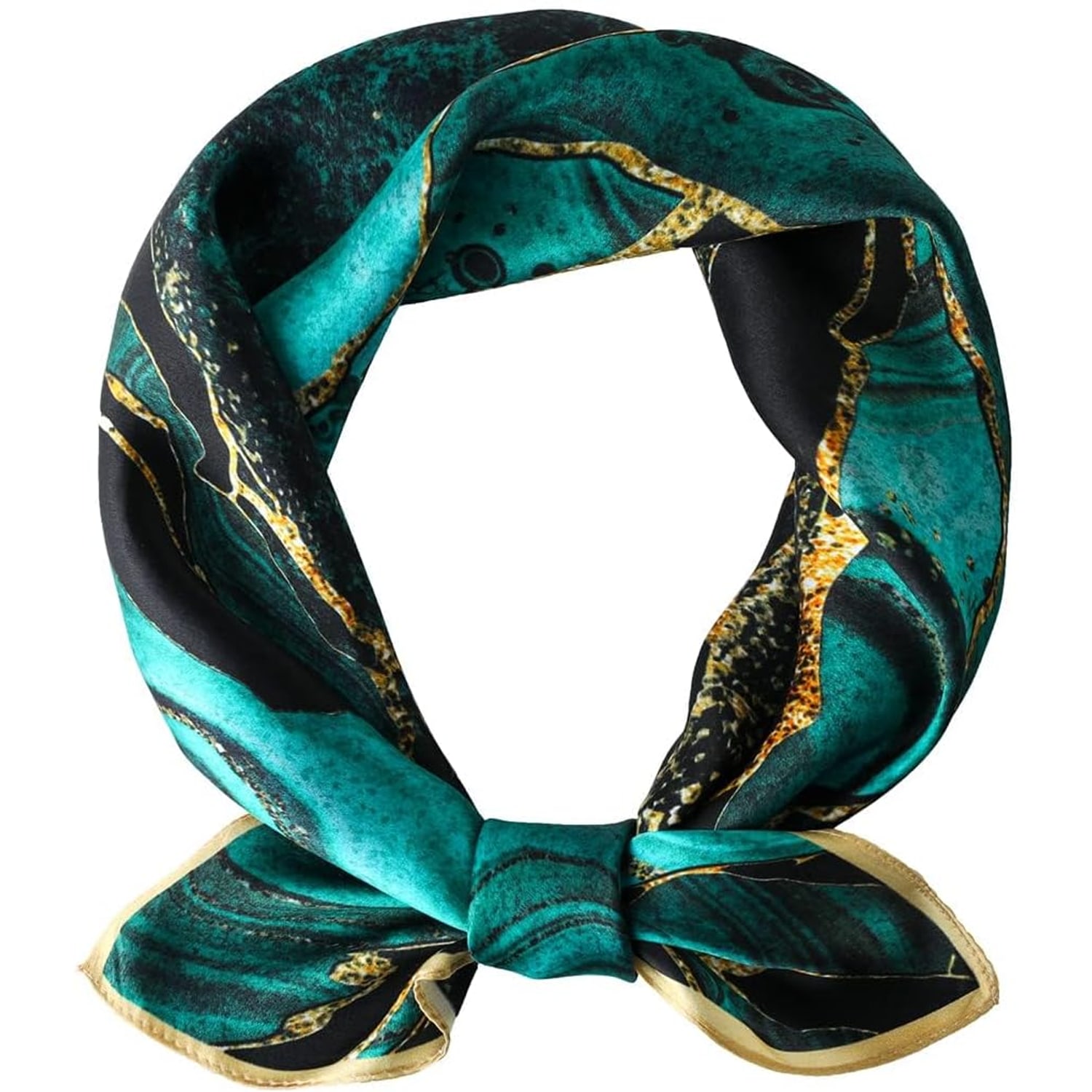
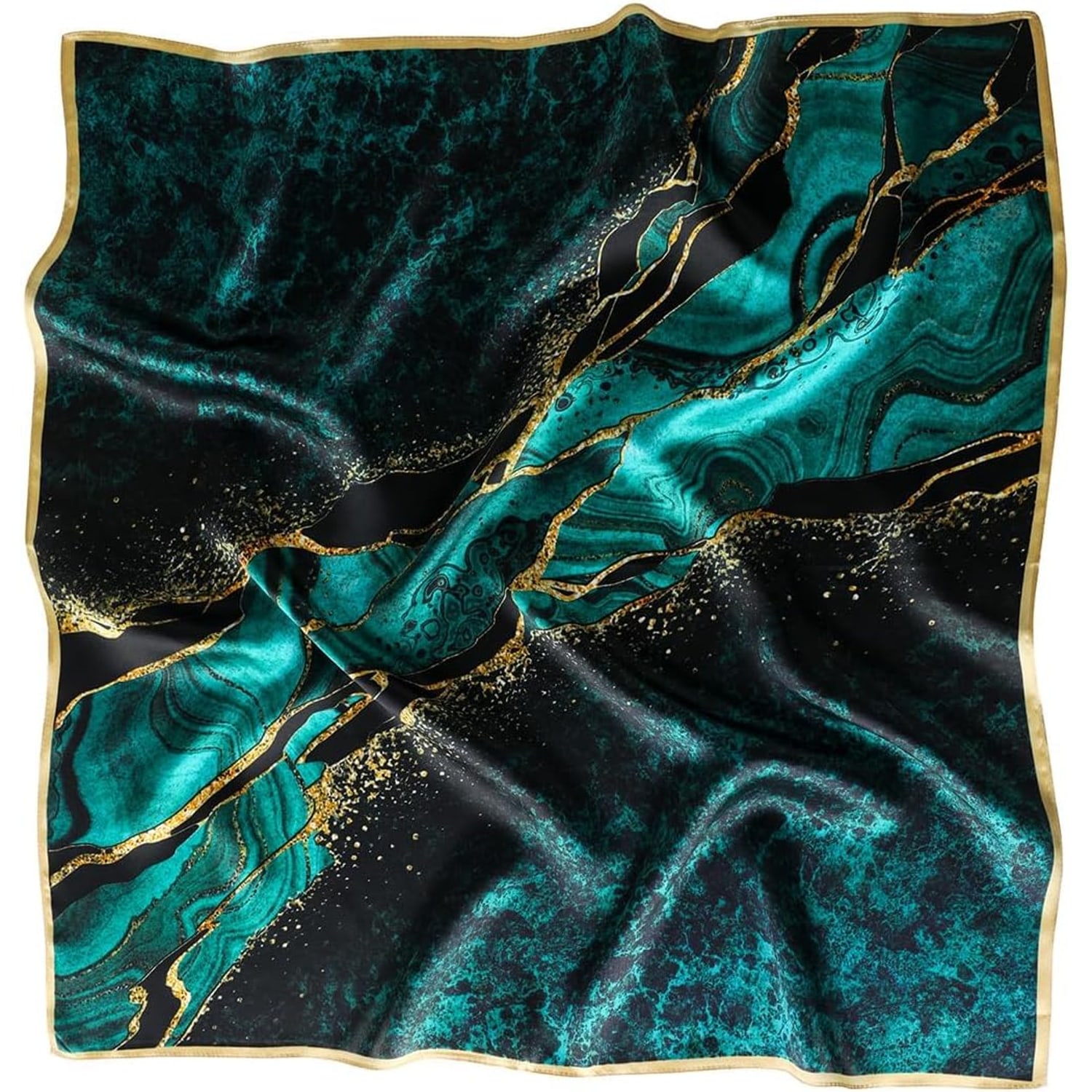
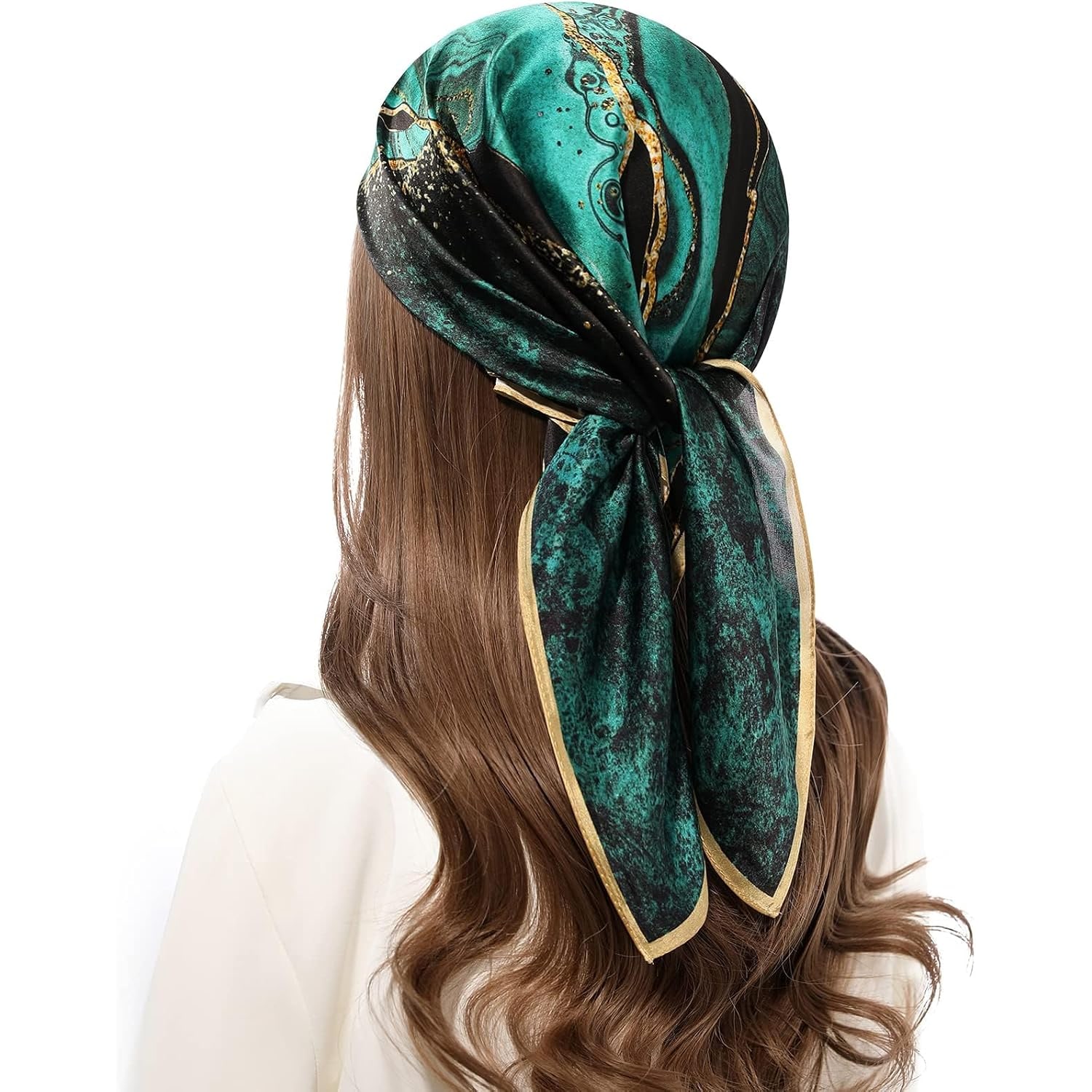
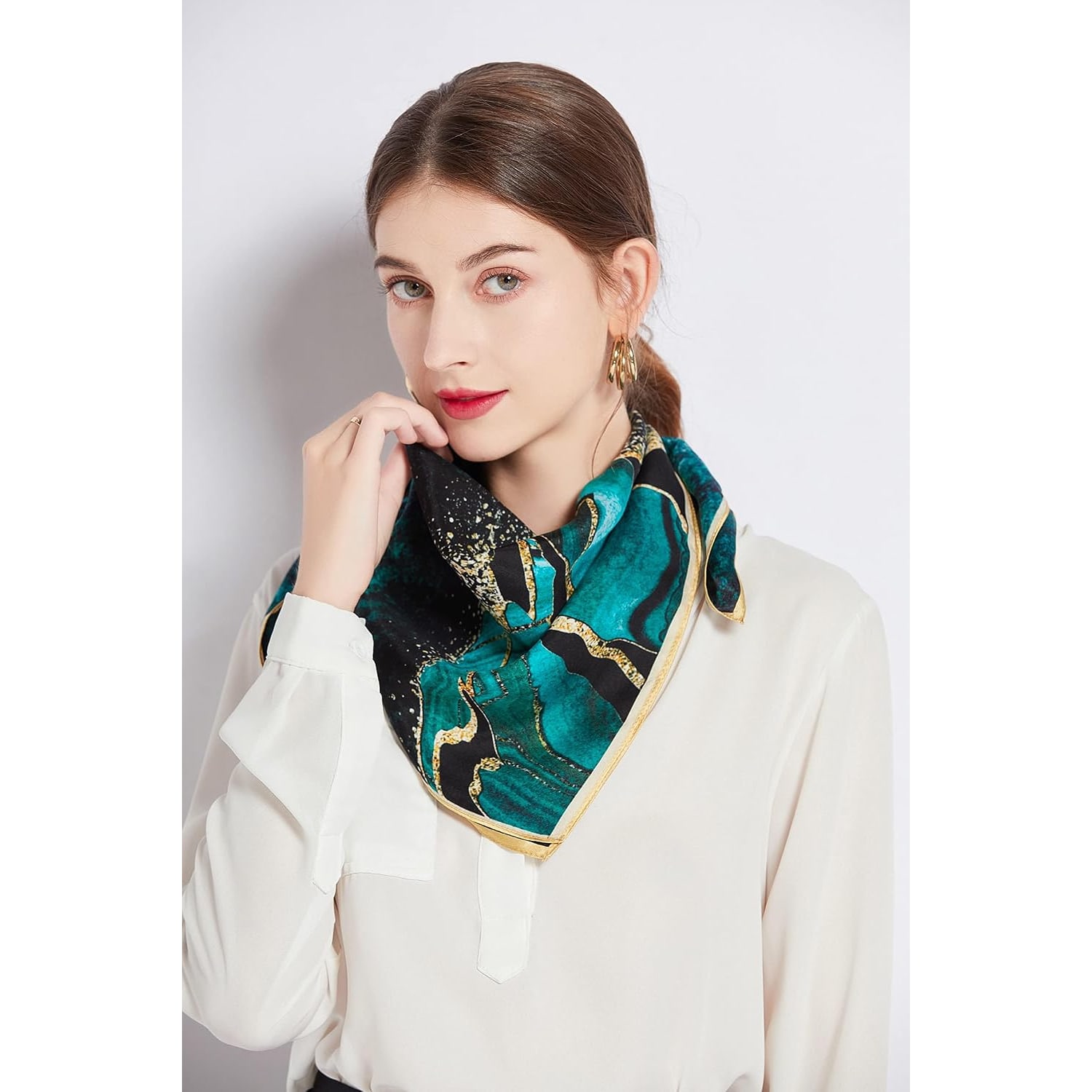
This is a 68 by 68 centimetre square of pure mulberry silk. It is smooth, it is light, and it does several jobs well: a sleep wrap, a daytime headscarf, a bandana, a headband, a neck tie, a bag accent.
The 68cm size is the practical middle ground, big enough for a proper hair wrap and small enough to knot at the throat. Silk's advantage over cotton is friction, nothing more complicated than that, and friction is what you are trying to reduce when fabric sits against your hair for hours.
Hand wash it, dry it in the shade, keep it away from hairspray, and it will stay in your drawer for years. Orders ship by tracked courier from Australian warehouses, most arrive in 5 to 10 working days, delivery is free NZ-wide over NZ$175, and returns are open for 14 days from delivery on unused, unwashed items.